- All
- Seniors
- Kitchens
- AI decoration
- Winter Decoration
- Spring Decoration
- Summer Decoration
- Christmas Decoration
- Decorate
- Bathroom Design
- Kitchen Design
- Interior Design
- Ethnic Design
- Design and Sustainability
- ecommerce pain points
- E-commerce
- Decoration styles
- House Facades
- Important Dates
- Patriotic Holidays
- Kids' room
- Kids' Rooms
- Halloween
- Home Office
- Pet Interior Design
- Gardens
- Improve e-commerce sales
- Christmas DecorAI
- Neuroarchitecture
- Design Customization
- Smart Home
- Design Trends
- Uncategorized
14/09/2026
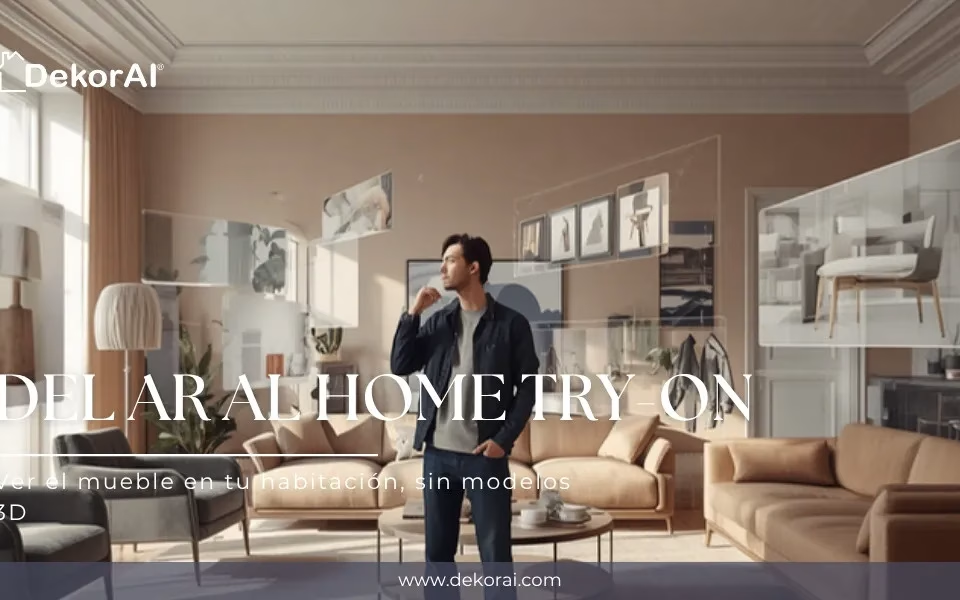
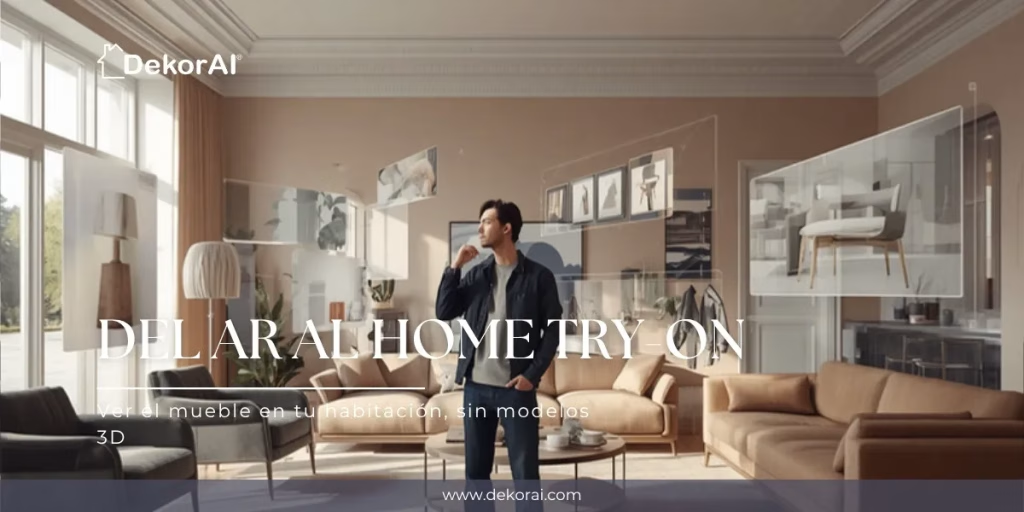
Buying furniture online is still a leap of faith: the catalog looks perfect, but you don't know how it will look in your room. Classic AR from IKEA, Wayfair, or Amazon helps, but it usually requires apps, 3D models, and a single catalog. AI-powered Home Try-On changes that: you visualize real products over a photo of your space, in your browser, and without 3D assets. This reduces spatial uncertainty, brings inspiration closer to purchase, and redefines the standard for furniture e-commerce.
14/09/2026

Neo Deco is the trending decorating style of 2026 that revives Art Deco glamour with geometric shapes, polished metals, and jewel tones, but adapted to modern homes. In contrast to cold minimalism, it proposes a sophisticated look: burgundy, emerald, brass, velvet, and a statement piece. It's ideal to experiment in your own space before buying and avoid making decisions based solely on a mood board.
14/09/2026
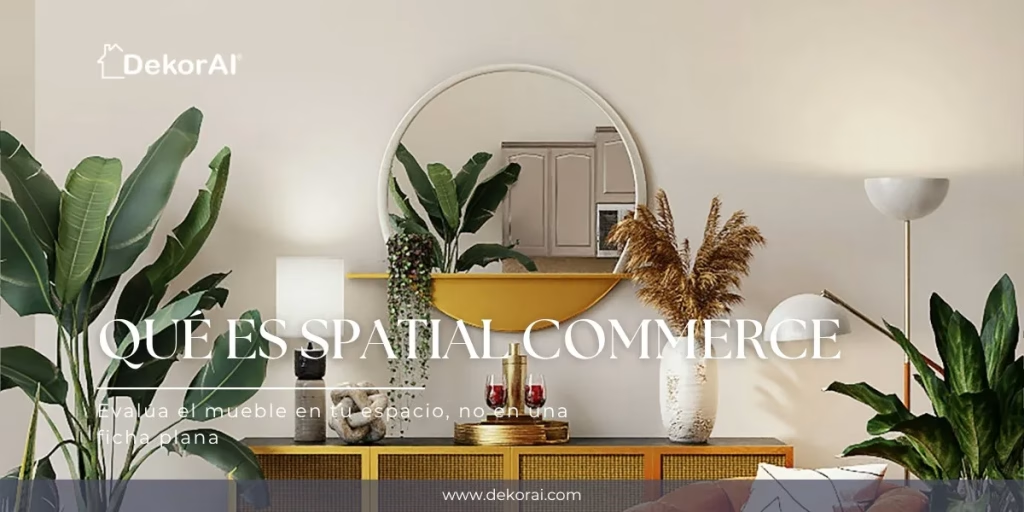
Buying furniture online isn't just about choosing a design; it's about knowing if it fits and matches your space. Spatial commerce bridges that gap by evaluating products in the real-world context of your home using 3D, AR, and spatial AI. It goes beyond a 3D viewer: it includes spatial visualization, behavioral data, and context-driven sales. In furniture e-commerce, this reduces uncertainty, brings inspiration closer to the purchase, and helps decrease avoidable returns.
03/08/2026
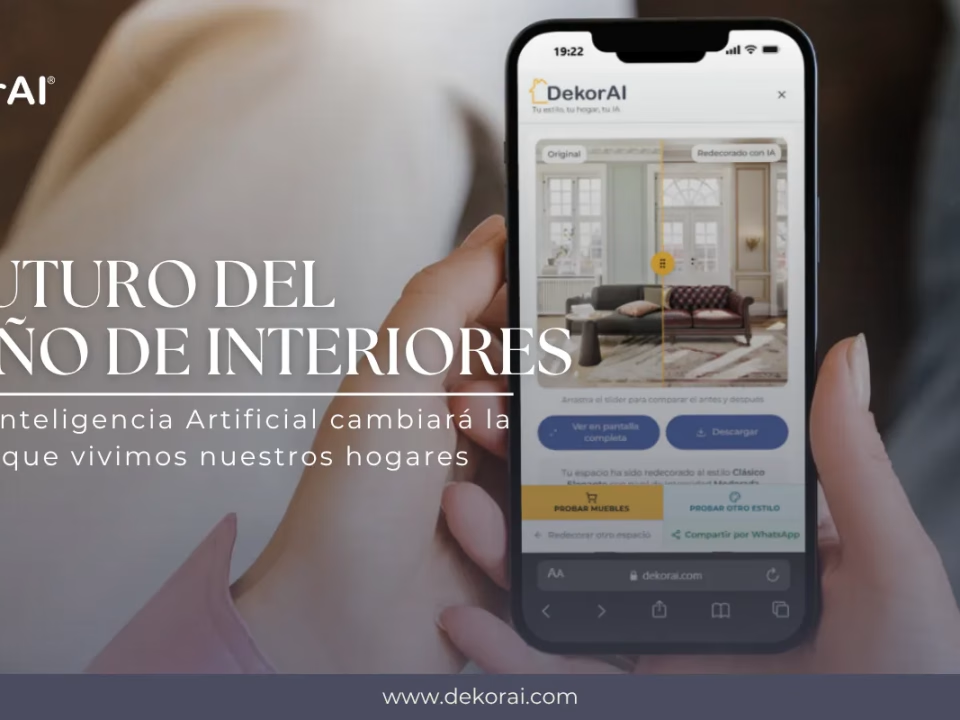
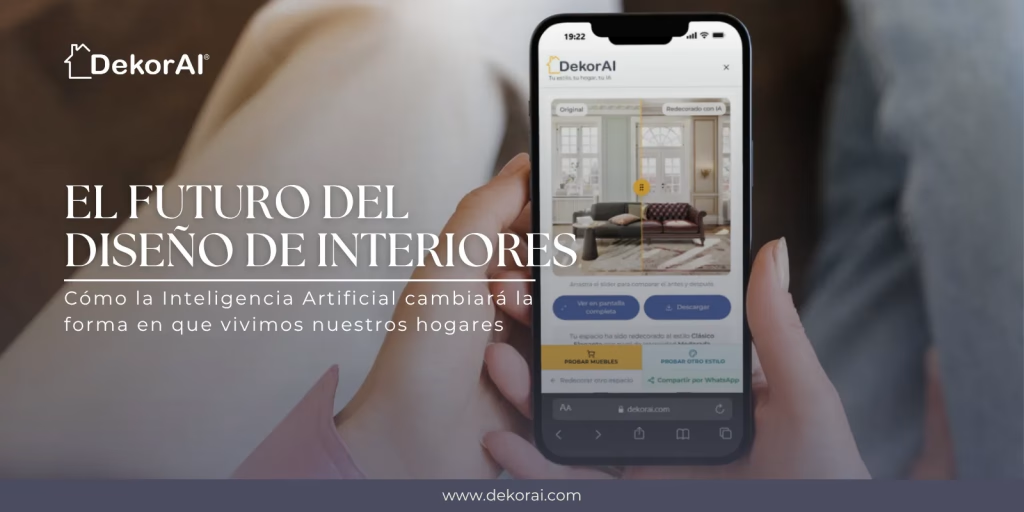
Artificial intelligence is redefining interior design, transforming homes into personalized and adaptive spaces. Beyond aesthetics, the technology allows us to understand individual habits and needs, creating functional environments that evolve with us. This technological revolution doesn't replace human creativity, but rather amplifies it, enabling us to design better experiences for people.
03/08/2026

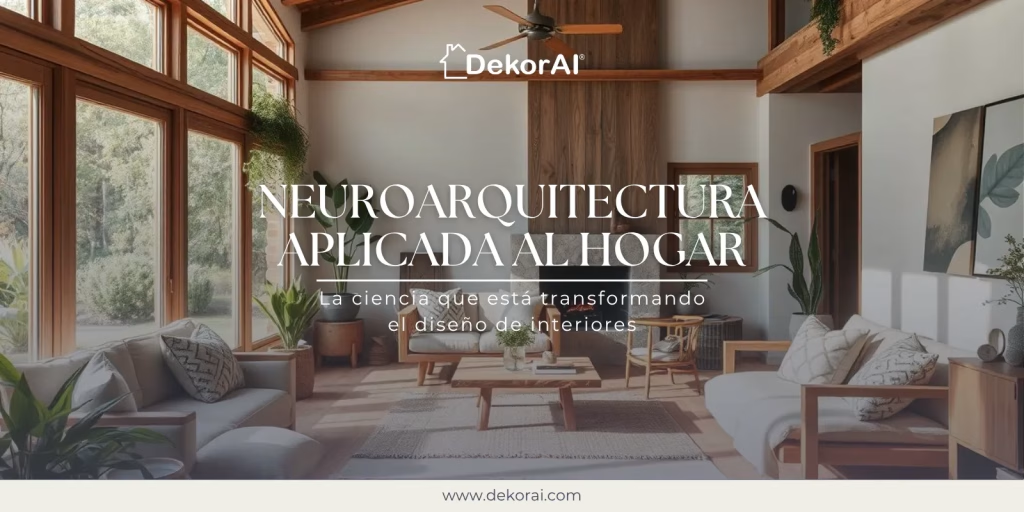
Neuroarchitecture integrates neuroscience, psychology, and architecture to design spaces that promote physical and emotional well-being, not just aesthetics. This discipline analyzes how factors such as light, color, and vegetation influence our brain, helping to reduce stress and enhance our daily quality of life.
03/08/2026

Furniture eCommerce is evolving from static catalogs to immersive, AI-powered experiences. The current challenge is not offering more products, but providing the certainty needed to make informed decisions. Technologies like smart visualization and personalization allow users to imagine, compare, and experience how furniture can transform their own homes.
27/07/2026

Artificial intelligence will not replace interior designers, but it will transform their profession by automating repetitive tasks and accelerating operational processes. True human value will lie in empathy, strategy, a deep understanding of the client, and the ability to transform complex needs into memorable experiences, elevating design to a more strategic level.
27/07/2026

The furniture retail industry is entering a phase where success will no longer depend solely on catalog size or discounts. Consumers expect personalized, immersive, and conversational experiences that reduce uncertainty before they buy. Artificial intelligence presents an extraordinary opportunity to meet these expectations, helping people build better homes.
27/07/2026

Interior design transcends aesthetics, directly influencing our emotions, well-being, and productivity. Disciplines such as neuroarchitecture and environmental psychology demonstrate that elements like light, color, and furniture arrangement generate physiological and psychological responses. Today, Artificial Intelligence is accelerating this transformation, enabling the design of healthier homes.

 Español de Chile
  Português do Brasil
  English