- All
- Seniors
- Kitchens
- AI decoration
- Winter Decoration
- Spring Decoration
- Summer Decoration
- Christmas Decoration
- Decorate
- Bathroom Design
- Kitchen Design
- Interior Design
- Ethnic Design
- Design and Sustainability
- ecommerce pain points
- E-commerce
- Decoration styles
- House Facades
- Important Dates
- Patriotic Holidays
- Kids' room
- Kids' Rooms
- Halloween
- Home Office
- Pet Interior Design
- Gardens
- Improve e-commerce sales
- Christmas DecorAI
- Design Customization
- Smart Home
- Design Trends
- Uncategorized
18/05/2026

Spring 2026 interior design seeks to reconnect with nature, creating sensory spaces of calm, balance, and well-being. The trend focuses on soft colors (sage green, earth tones) and organic materials (stone, linen, wood). Furniture adopts curved shapes, and indoor plants take center stage, transforming the home into a true sanctuary.
18/05/2026

Warm Minimalism is the new trend redefining design, transforming simplicity into something more human and emotional. Unlike traditional minimalism, this contemporary version seeks well-being and sensory connection. Luxury is no longer about what you see, but what you feel, prioritizing inviting spaces with earth tones and natural materials like wood and linen. Its goal is to turn the home into a true sanctuary.
18/05/2026
DekorAI is an AI-powered interior design assistant that transforms your home into a smart and emotionally balanced sanctuary. Design now focuses on well-being, reducing stress and improving productivity. The AI analyzes spaces, habits, and preferences to create hyper-personalized proposals in minutes. It combines visual analysis, functional optimization, smart home automation, and current trends.
11/05/2026

In the digital age, interior design seeks authenticity and breaks with homogeneity, returning to "spaces with soul." This trend is called controlled maximalism and eclectic mix, where every object tells a story. Consumers value the handcrafted and the unique, integrating vintage pieces and smart technology to create environments that reflect personal identity and local heritage.
11/05/2026

Artificial intelligence is revolutionizing furniture e-commerce, transforming traditional shopping into an immersive and personalized digital experience. AI eliminates uncertainty by allowing users to visualize products in their homes, generate hyper-realistic renderings, and reduce returns. Platforms like DekorAI are leading the trend with generative design tools and virtual try-on capabilities. The future lies in visual commerce, sustainability, and AI-powered conversational assistants.
11/05/2026

The home has transformed into an office, a refuge, and a social space, forcing interior design to adapt to the changing rhythm of daily life. The answer lies in multifunctional furniture and flexible spaces that evolve with you. This key trend is driven by remote work, smaller living spaces in cities like Santiago, and the need to optimize every square meter. Consumers are looking for smart functionality and pieces that serve more than one purpose to complement life, not limit it.
07/05/2026

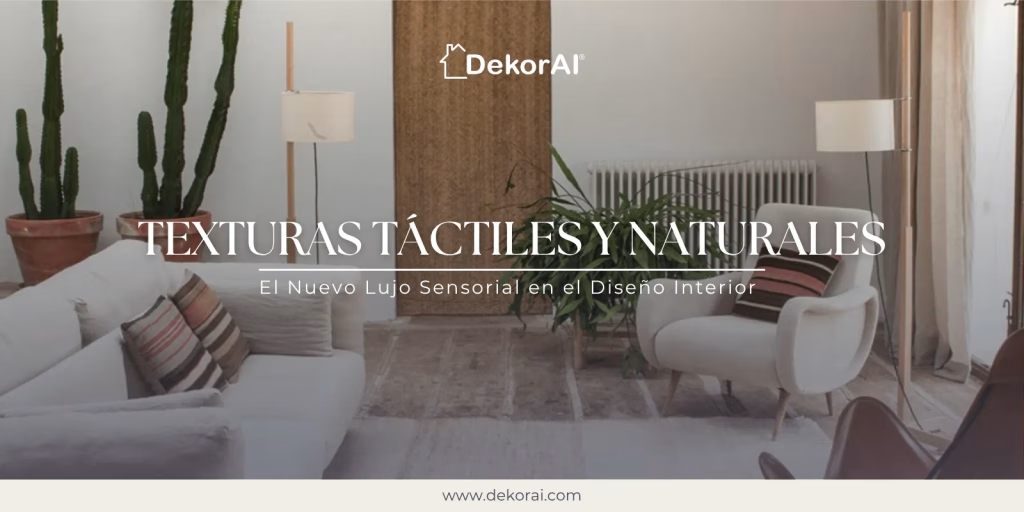
In the era of smart homes, interior design in 2025 seeks to **rediscover the feeling**. **Tactile and natural textures** are the most relevant trend. True luxury lies in the organic, the irregular, and that which tells a story through touch, leaving cold surfaces behind. Materials such as dark wood, irregular stone, and bouclé create more sensory and human spaces.
06/05/2026

European interior design is moving away from minimalist Scandinavian aesthetics. Spring 2026 marks the return of dark woods (walnut, oak) and heritage design. This trend redefines contemporary luxury by reviving classic elements and adapting them to the present, creating spaces with history, depth, and character. It prioritizes meaningful pieces and promotes sustainability.
04/05/2026

The Spring 2026 trend marks a profound shift in interior design, moving from creating visually appealing spaces to focusing on **the home as an emotional experience**. Current design prioritizes how it feels to live in a space, making it comfortable, meaningful, and geared towards the physical and mental well-being of the user.

 Español de Chile
  Português do Brasil
  English